Our Team
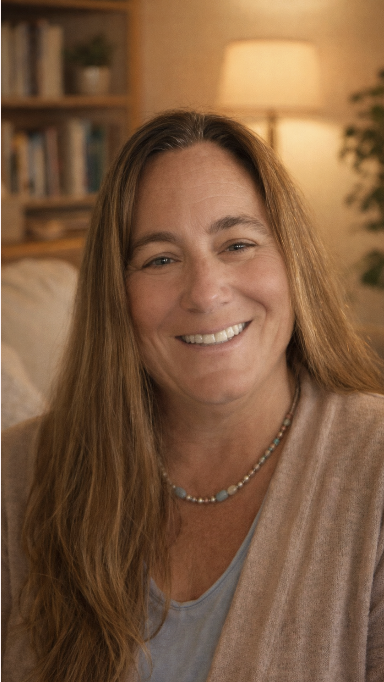

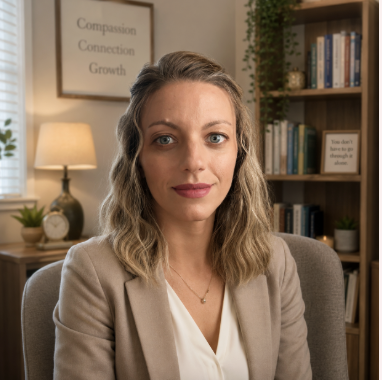
Pauline Bailo, LCSW, Founder, Clinical Director
Hi, my name is Pauline and I am the owner of Dove Counseling Services, LLC. I have 25 years of experience in the field of social work. Throughout my work I have learned many things, however the most important thing is that each person is an individual and should be treated as so. When I am in a session with someone, I treat them with respect, kindness and taylor the sessions uniquely. When working with couples or families, I create a space where everyone can be heard. Whether it is in my office or via telehealth, safety and making sure people are comfortable is a top priority. Therapy can be intimidating and overwhelming so I want to thank you for taking the first step in your journey of self exploration. I have extensive experience working with children with special needs and their families.
Grace Taylor, LSW, Associate
Hello, my name is Grace Taylor, and I am a licensed social worker. I support children and adolescents who are experiencing challenges related to autism, developmental differences, anxiety, or changes in their lives. They may be seeking understanding, structure, and tools to better manage emotions, navigate daily demands, and feel more confident in themselves and their abilities.
My approach to therapy is collaborative, compassionate, and client-centered. I strive to create a warm, supportive space where clients feel heard and respected. From a humanistic perspective, I use CBT, mindfulness, and person-centered techniques to help clients recognize patterns, build coping skills, and grow self-compassion.
Seeking support is a meaningful step, and you don’t have to take it alone. If you’re feeling ready to explore your concerns in a safe, supportive space, I invite you to reach out. Together, we can work toward greater clarity, balance, and well-being.
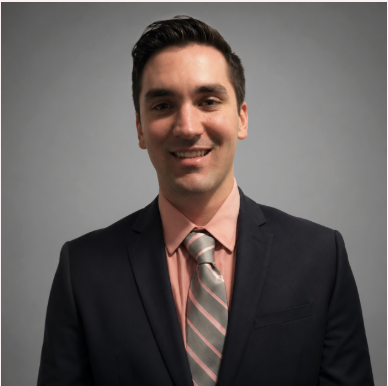
Joseph McNulty, MSW, LSW, Associate
Hello! My name is Joe McNulty and I am a licensed social worker at Dove Counseling Services. My ideal client is someone who may be feeling lost, overwhelmed, or emotionally stuck—but still has the desire, even if it's small, to move forward. They might be grieving a loss, navigating a major life transition, dealing with anxiety, or struggling to make sense of difficult emotions. My area of speciality is working with individuals on the autism
spectrum, children, teens and couples.
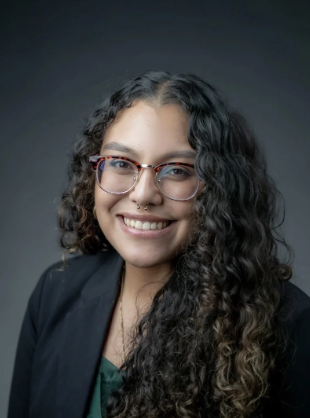
Sandy Checo, LAC, Associate
Hello! I am Sandy Checo. I decided to become a therapist because I wanted to be the kind of support for others that I did not have access to growing up. Experiencing multiple forms of trauma early in life helped me develop a strong sense of empathy and a passion for helping people navigate difficult experiences and achieve personal growth. My approach in session is to meet clients where they are with unconditional acceptance and empathy. Through my experience working with nonprofit organizations focused on social justice, diversity, and inclusion, I have developed a strong appreciation for creating a nonjudgmental and culturally responsive space. I strive to build authentic therapeutic relationships and approach each session with warmth, optimism, and a genuine commitment to supporting my clients' growth and well-being.
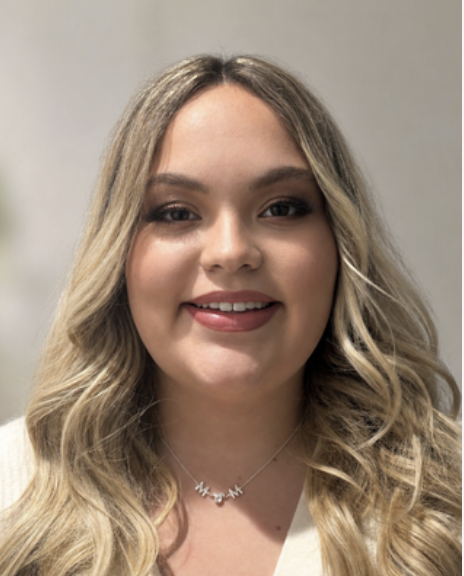
Erica Partenfelder, MSW, LSW, Associate
Hi! I am Erica! As an Associate at Dove Counseling Services, I am committed to providing compassionate, client-centered care in a supportive and welcoming environment.
I became a therapist because I have a deep desire to help others and to be a voice for individuals who may feel unheard or unable to advocate for themselves. I strive to serve as a supportive guide for those who are struggling and seeking meaningful change. I strive to create a safe and supportive space where individuals can process trauma and grief at their own pace.
My approach is collaborative and tailored to each client’s needs. I incorporate an array of different techniques to help clients better understand their thoughts and emotions, increase self-awareness, and feel more in control of their lives. I offer a space where clients can openly explore their experiences, strengthen their sense of self, and begin to heal.
I work with all ages providing individual therapy and specialize in substance use.
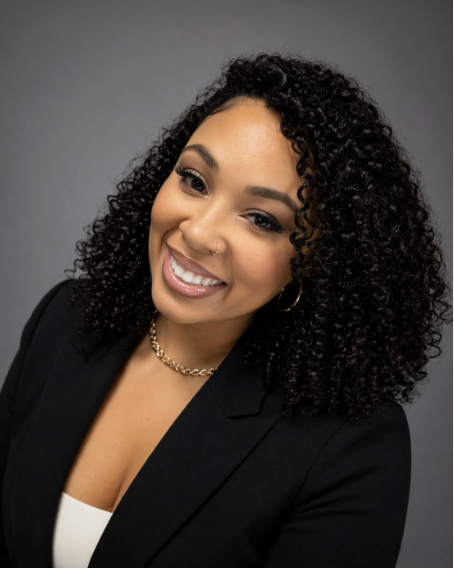
Alyssa Vignone, LPC
Hi, I am an LPC focusing on eating disorders and art therapy. I create a space where people can take their time opening up to me. I hope you leave feeling more happy and motivated to take on challenges in life. I work with all ages virtually. Remember, we cannot have a life absent of sadness, we just have to learn how to accept and work through the bumps.
Cee-Asia Ricks, LSW, Associate
Hi! I am Cee-Asia! If you’re feeling overwhelmed, stuck, or noticing patterns in your relationships you want to change, you’re not alone. You may find yourself overthinking, struggling with boundaries, or feeling disconnected. Together, we’ll gently slow things down, make sense of your experiences, and explore how your past shapes your present. I’ll meet you with warmth and without judgment as we build insight and strengthen coping skills. I am an Associate at Dove Counseling Services, LLC, specializing in Human Sexuality and trauma, with experience working with children, adolescents, and families navigating environmental and relational stressors.

Deborah Miron, LAC, Associate
Hi! I’m Deborah! I provide music therapy to children of all ages. My goal is to meet each client where they are and create a space where they feel safe, supported, and free to talk about anything without fear of judgment.
I lead with empathy and am always willing to adjust my approach based on each client’s individual needs. I love learning, building meaningful connections, and finding new ways to help my clients feel comfortable and understood.
Helping others has always been an important part of who I am, which ultimately inspired me to pursue my license and turn that passion into the work I do today. Above all, I want every client I work with to know that they have a safe place to be themselves, feel heard, and feel supported.
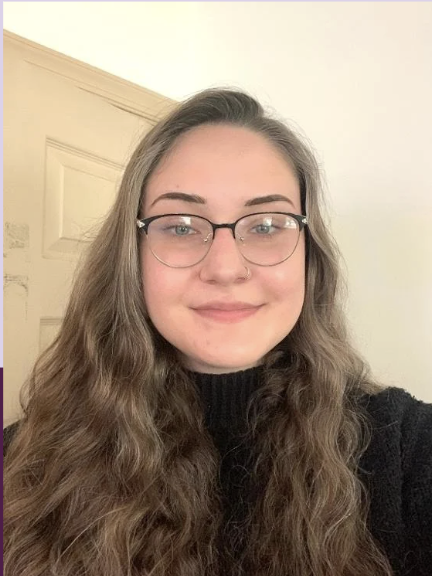
Katie Lapp, LAC, Associate
I chose to become a therapist because of my own experiences with therapy beginning in my early teens during a difficult time in my life. My first experience was not a positive one, but a few years later, I decided to try therapy again and found a therapist who made me feel truly supported and helped me tremendously. Those two very different experiences showed me firsthand the kind of therapist I did—and did not—want to be for others.
I have also seen how deeply mental health can impact not only an individual, but the people they love. These experiences shaped my desire to create a therapeutic environment where clients feel safe, understood, and supported.
Validation is an important part of my approach and something that comes naturally to me during sessions. I strive to provide a space where clients can openly process their emotions and experiences without fear of judgment. Rather than telling clients what they should do, I want to help them better understand themselves, recognize their own needs and wants, and feel empowered to make decisions that are right for them.
Ultimately, I hope clients feel that therapy with me is a safe place to be themselves—a space where they feel heard, validated, supported, and empowered as they navigate life’s challenges.
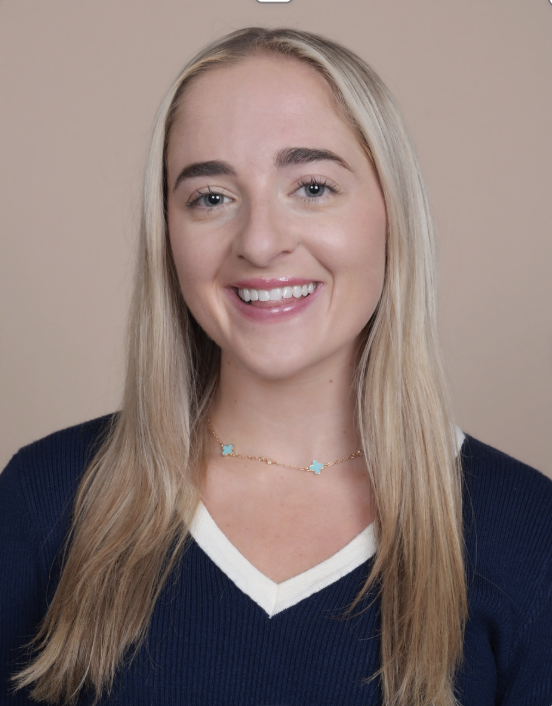
Jamie Bassi, LSW
Growing up, I had positive experiences with my own therapist and saw firsthand the impact that a compassionate and supportive therapist can have on someone’s life. Those experiences inspired me to pursue this field and become that source of support for others. My hope is to help make difficult moments feel a little more manageable and remind clients that they do not have to navigate life’s challenges alone.
My approach to therapy is person-centered, strengths-based, and collaborative. I believe each client is the expert on their own life, and my role is to provide guidance, encouragement, and support along the way. I tailor therapy to each person’s unique needs, goals, and pace, incorporating evidence-based approaches such as Cognitive Behavioral Therapy (CBT) and Interpersonal Therapy (IPT) when appropriate.
Above all, I strive to create a warm, comfortable, and trusting environment where clients feel heard, respected, and free to be themselves without judgment. I want therapy to be something clients look forward to—a space where they can talk openly, recognize their strengths, build confidence, and develop the tools they need to move forward.
I understand that starting therapy can feel like a big step, so I work to make the process as welcoming and approachable as possible. I meet clients where they are and walk alongside them as they navigate challenges, gain insight, and work toward meaningful change. My hope is that clients leave each session feeling a little lighter, more supported, and better equipped to handle whatever they may be carrying.